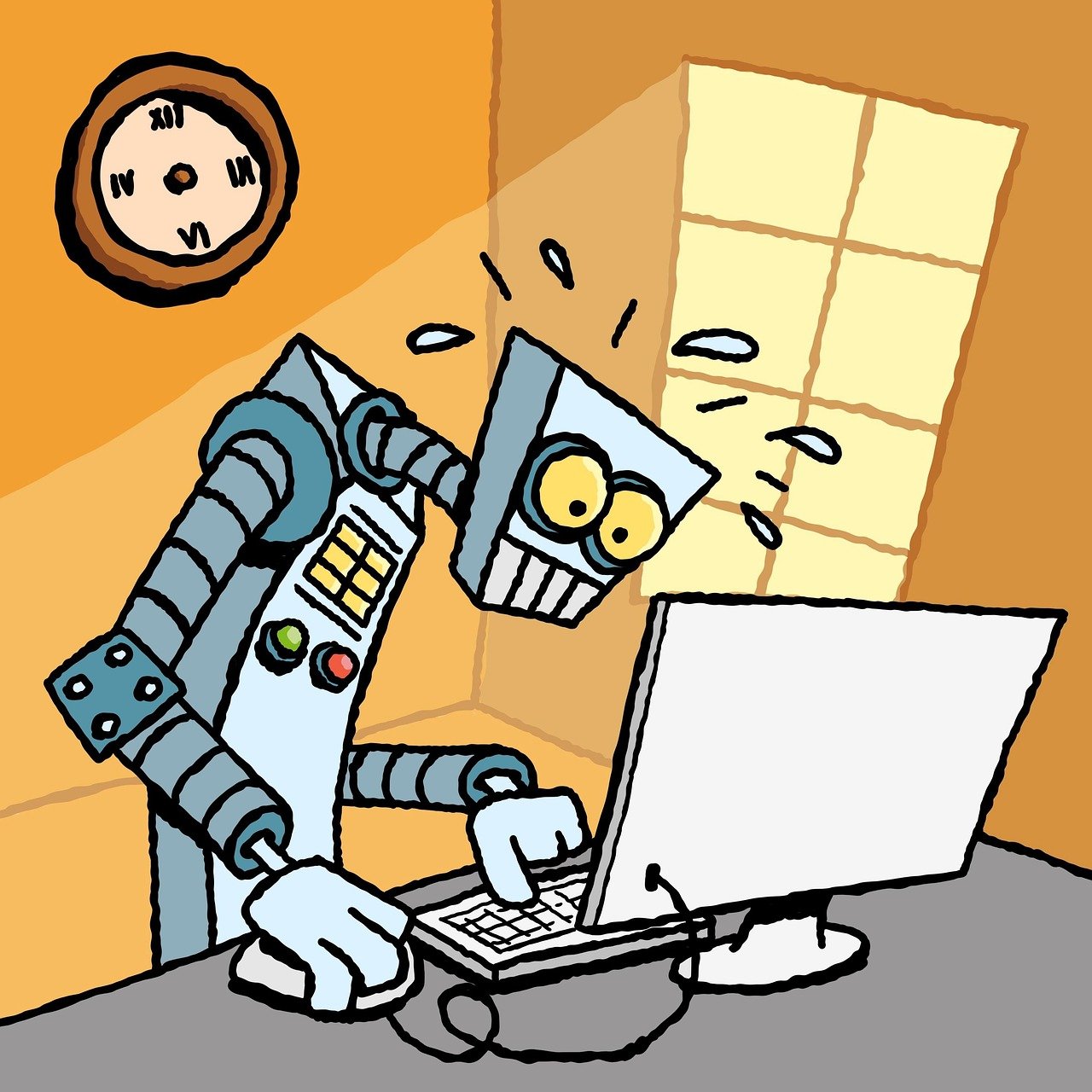
Every few decades, a technology arrives that changes the rules of an entire industry. For IT, that moment is now. Artificial intelligence is no longer a side project or a buzzword on a slide deck. It is writing code, testing software, monitoring infrastructure and answering support tickets. The question is no longer whether AI will transform the IT industry, but how deep and how fast the change will go.
1. Software Development: From Writing Code to Directing It
AI coding assistants can already generate functions, write unit tests, explain legacy code and fix bugs in seconds. Tasks that once took a junior developer a full day can now be done in minutes. Increasingly, developers are becoming reviewers and architects: they describe what is needed, AI drafts it, and humans verify, refine and ship it.
2. Testing and Quality Assurance
AI can generate test cases, detect visual regressions, predict which parts of a codebase are most likely to break and run self-healing automation scripts. Manual testing roles are shrinking, while demand grows for people who can design test strategy and judge AI-generated results.
3. DevOps, Cloud and Infrastructure
Modern systems produce more logs and alerts than any team can read. AI-driven operations (AIOps) can spot anomalies, diagnose root causes, scale resources automatically and even remediate incidents before users notice. The 3 a.m. pager is slowly being handed over to an agent.
4. IT Support and Service Desks
Password resets, access requests, onboarding and common troubleshooting are ideal work for AI agents. Level 1 support is being automated first, with human specialists handling only the complex or sensitive cases.
5. Cybersecurity
AI helps defenders detect threats, triage alerts and respond at machine speed. It also helps attackers, which means security teams will increasingly rely on AI simply to keep pace.
6. Data, Analytics and Business Intelligence
Instead of waiting for an analyst to build a dashboard, business users can ask questions in plain language and get charts, queries and summaries instantly. Routine reporting is becoming a conversation.
“Takeover” or Transformation?
It is tempting to read this as the end of IT jobs, but history suggests a more nuanced picture. Each major shift, from mainframes to the cloud, eliminated certain tasks while creating entirely new roles. AI will likely do the same, but at a much faster pace. What is genuinely at risk is routine, repetitive work. What grows in value is judgment, system design, domain knowledge, security thinking, communication and the ability to ask the right questions.
Where AI Still Falls Short
- It can produce confident but incorrect output, so human review remains essential.
- It struggles with ambiguous requirements and messy real-world business context.
- Accountability, ethics, compliance and trust still require people.
- Large, interconnected systems demand architectural understanding that AI is only beginning to approach.
How IT Professionals Can Stay Ahead
- Learn to work with AI. Treat it as a daily tool, not a threat. Professionals who use AI well will outpace those who do not.
- Move up the value chain. Focus on architecture, problem framing and decision-making rather than only implementation.
- Build deep fundamentals. You cannot review what you do not understand.
- Strengthen human skills. Communication, collaboration and business understanding are hard to automate.
- Keep learning. The tools will change every few months; the habit of learning is the real career insurance.
Final Thoughts
AI will absorb a large share of what the IT industry does today, and it will change what remains. The professionals and companies that thrive will be those that embrace the shift early, automate the routine and invest in the uniquely human parts of technology. The takeover is real, but so is the opportunity for those who are ready for it.